Practical Guide to Using Phantom: a Solana Browser Wallet You Can Actually Trust
First thing first: browser wallets are convenient. They let you interact with Solana dapps, send tokens, and manage NFTs without spinning up a full node. But convenience comes with risk. I’ve used several wallet extensions over the years, and Phantom stands out for a reason—clean UX, active development, and sensible defaults. Still, caution is the name of the game.
The core idea is simple. Phantom injects a wallet into your browser so sites can request signatures for transactions. That interaction is powerful, and it can be misused if you aren’t careful. So this guide focuses on how Phantom works, how to set it up safely, and what red flags to watch for when using Solana dapps.
How Phantom works (short primer)
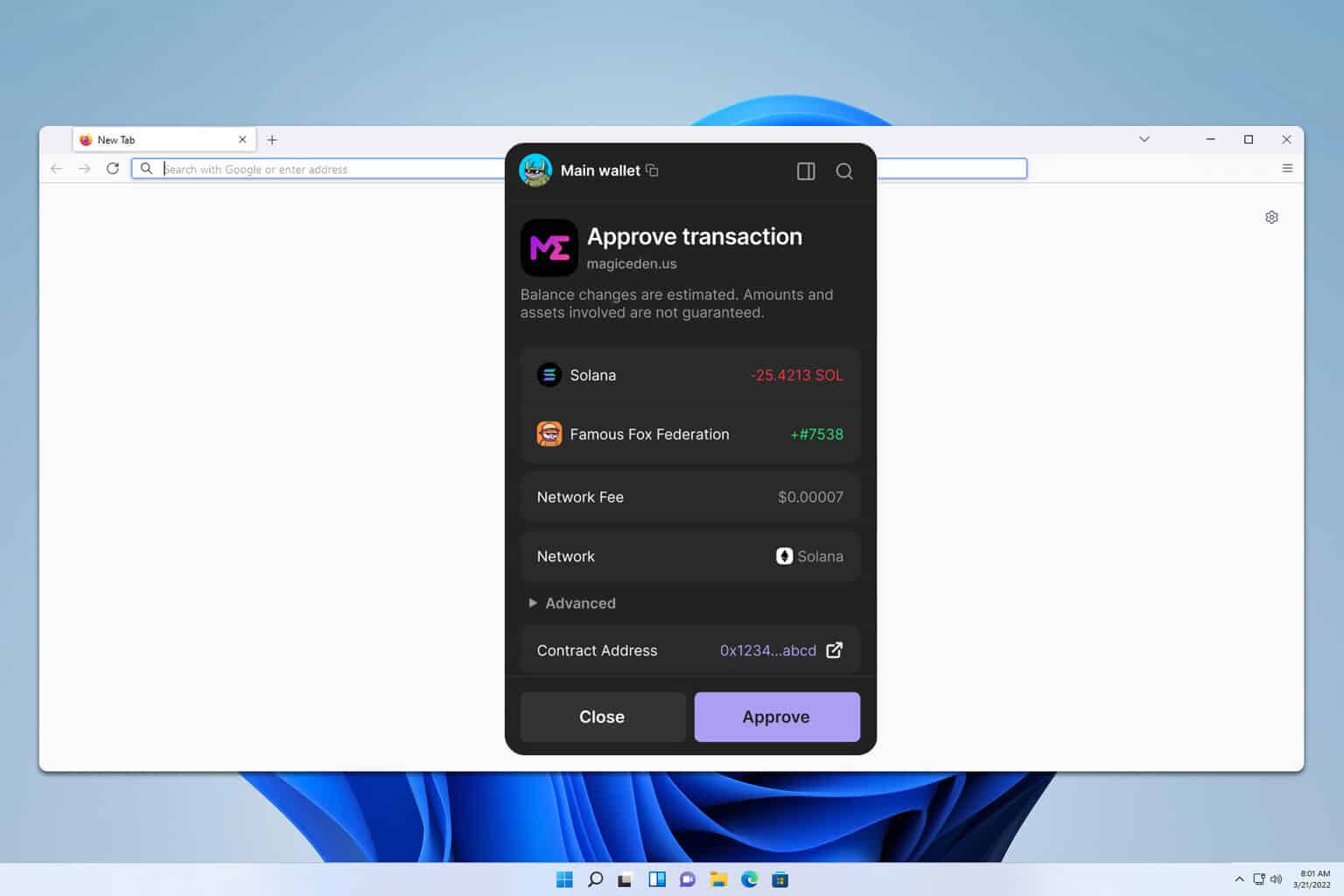
Phantom stores a private key in your browser extension profile, encrypted with a password you set. When a dapp asks to sign a transaction, Phantom prompts you to approve or reject it. That signing step is the gatekeeper. Approve the wrong thing and funds can move. So the UX matters: read the requested actions, check the destination address, and confirm amounts.
There are a few ways to use Phantom: create a new wallet, import via a seed phrase, or connect a hardware wallet like Ledger for better security. If you’re holding more than pocket change, use a hardware wallet. Seriously—it’s worth the extra setup.
Step-by-step: Installing and setting up safely
Okay, so check this out—before you click Install: verify the source. Phishing is real. Go to your browser’s official web store (Chrome Web Store, Firefox Add-ons, etc.) and confirm the publisher. Or use a trusted link from official project channels. If you want one place to start, here’s a link to a download page you can review: phantom. Note: always double-check the URL and the extension publisher—malicious copies pop up often.
Once installed, follow these basics:
- Create a strong password to encrypt your wallet in the extension.
- Write down the seed phrase on paper. Store it offline. No screenshots, no cloud notes.
- Consider importing into a hardware wallet immediately for large balances.
- Enable additional browser security features and avoid extensions you don’t trust.
When you connect Phantom to a dapp, the extension will show a permission prompt. Look at it. If it asks for unlimited access or to sign arbitrary messages without context, think twice. Sometimes legitimate dapps need broader permissions, but many malicious sites try to trick users with vague wording.
Features I like—and the things that bug me
Phantom gets a lot right: clear transaction dialogs, built-in token swaps, and NFT support. The UX reduces accidental approvals. But a few small things still bug me—like occasional permission prompts that are a tad terse, or when a dapp routes you through unfamiliar contract calls that aren’t well-explained.
Pro tips:
- Use the “disconnect” option in Phantom after using a dapp. Disconnecting prevents background sites from re-requesting access.
- Check recent transactions in your wallet regularly. If something looks off, act quickly—revoke approvals and move funds.
- For swaps, compare rates across services and factor in network fees. Phantom’s built-in swap is convenient but not always the cheapest.
Security checklist
Security isn’t a single switch. It’s a habit. Make these part of your routine:
- Never paste your seed phrase into a website or app. Ever.
- Use hardware wallets for significant balances. Even a small mis-click can be costly.
- Keep your browser and OS updated. Many exploits target outdated software.
- Be skeptical of pop-ups asking you to connect or sign messages. Read the precise request.
- Periodically revoke token approvals using on-chain tools if you suspect over-privileged permissions.
Common questions
Can Phantom be used across multiple browsers or devices?
Yes. You can install Phantom on any supported browser and import the same wallet using your seed phrase, or better, connect a hardware wallet to multiple browsers. Keep in mind each installation is a separate local key store unless you’re using a hardware device.
What if I lose my seed phrase?
If you lose it and you don’t have a backup, you’re locked out. There’s no central reset. That’s why secure, offline backups are essential. If an attacker gets your phrase, they can drain your wallet, so keep it under wraps.
Is Phantom open source?
Phantom has open-source components and publishes many parts of its codebase, which helps with transparency. Still, closed-source parts and third-party integrations mean you should remain cautious and watch for audits and community reviews.
Final note: browser wallets like Phantom are a huge step forward for Web3 usability. They lower the barrier to entry, and that’s great. But lower friction also increases exposure. If you treat the extension like a powerful tool that requires respect—read every prompt, verify sources, and use hardware backups—you’ll get the convenience without the nastiness. Be careful out there, and keep learning; the ecosystem changes fast.